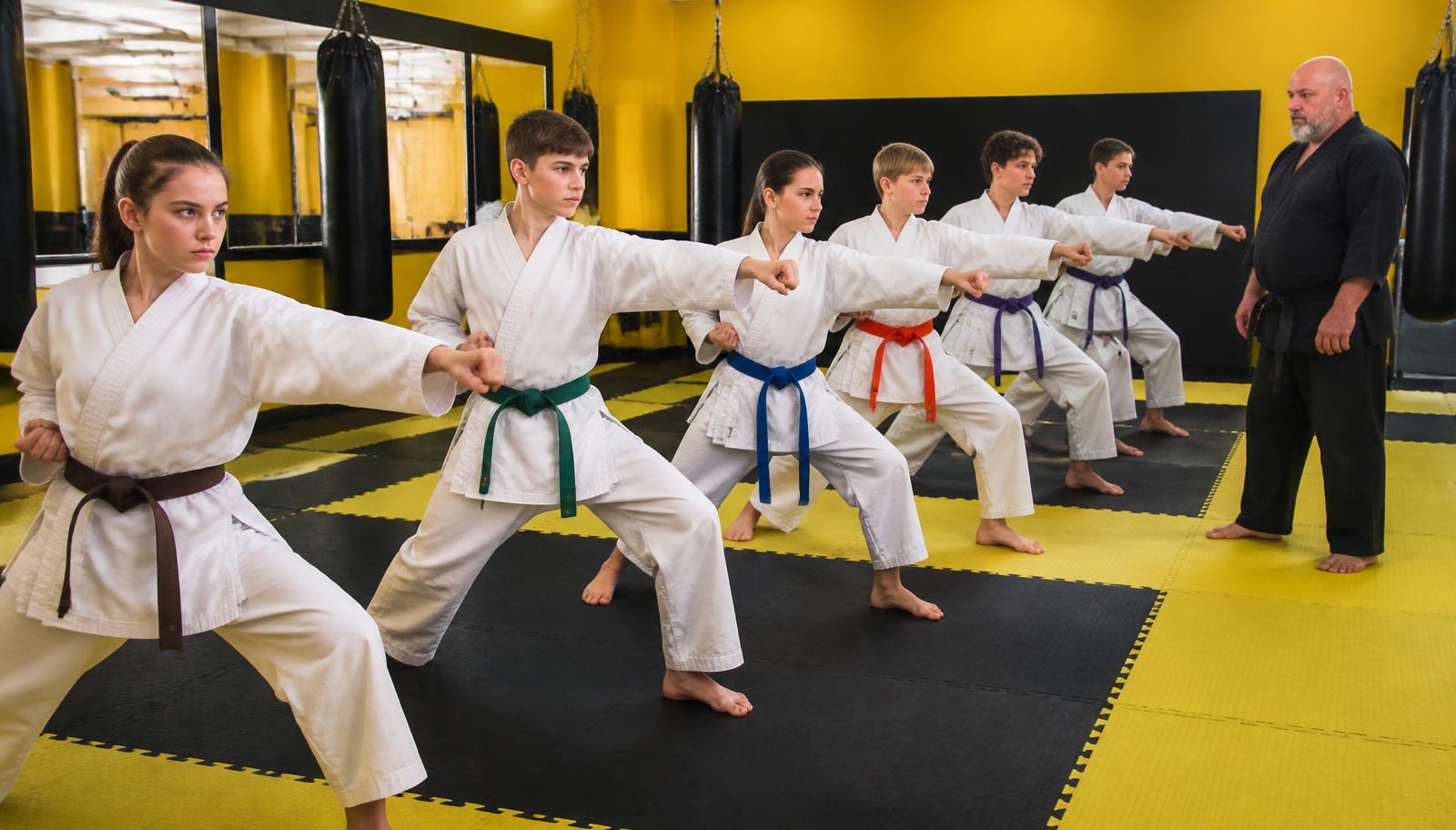
Teens Don't NeedA Trophy.They Need A Reason.
Ages 10 to 14 can finally handle a real standard, real feedback, and real responsibility. Extreme SKILLZ gives all three — and puts them in front of younger students where leadership stops being a word.
Intro Special
Uniform included
2 Weeks of Classes
Extreme SKILLZ. Uniform included.
- 2 weeks of Extreme SKILLZ classes
- Uniform included ($69 Value)
- Right-fit check before you commit
- Sit and watch every class
Sound familiar?
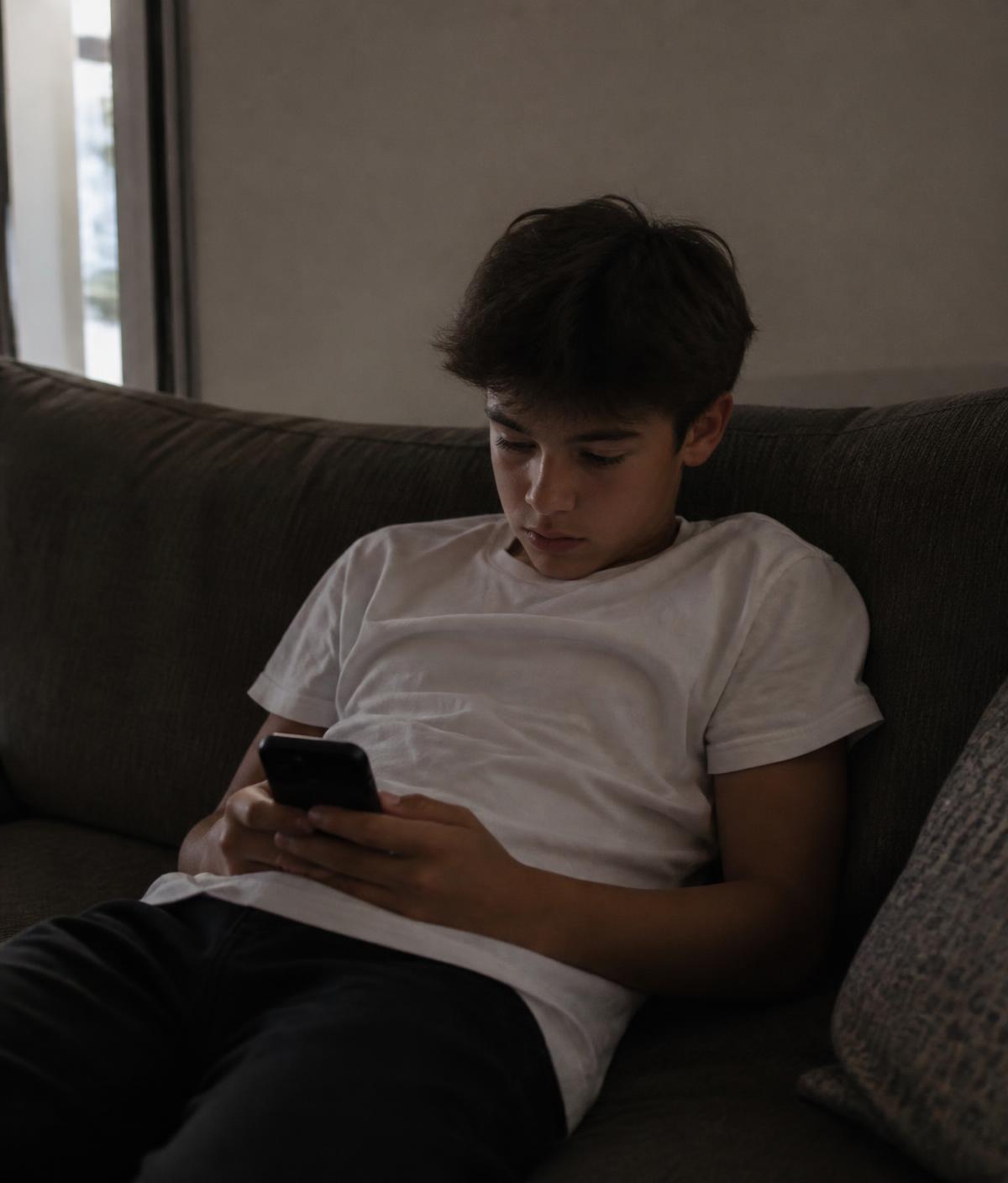
The phone is winning.
- Hours disappear and nothing gets built
- They opted out of the sport they used to love
- Feedback lands as criticism and the shutters come down
- Their world got smaller right when it should be widening
What parents notice instead:
- They have somewhere to be that isn't a screen
- They take a correction without it becoming a mood
- They're the one teaching the eight-year-old the stance
- They set a goal months out and keep showing up for it
10–14
the window where identity gets decided — and where a hard, earned thing does the most work
Why ages 10–14 train separately
Ten to fourteen-year-olds can physically do almost anything you put in front of them, and intellectually they are sharper than most adults give them credit for. The obstacle is entirely social — they are so tuned to what is acceptable in front of their peers that staying emotionally invested in a task becomes the hard part. A curriculum that ignores that loses them in about six weeks.
Designed for this age
Real Training. Real Responsibility.
This age can hold abstract strategy, take direct feedback, and carry responsibility for someone younger. Put them in a kids class and they check out in a week — correctly, because it's beneath them.
This is the age most martial arts schools quietly lose. Not because the training is too hard — because nothing in the room is addressing the actual thing going on with a twelve-year-old.
Extreme SKILLZ is built around performance skills — dexterity, reaction, versatility, momentum, precision, instinct, strength, vision — because at this age the physical challenge has to be genuinely hard to be worth their attention. Easy is insulting.
The social and emotional side is handled directly rather than pretended away. Leadership roles, real feedback, and standards they can't fake their way past. Complete all nine belts here and they move onto the black belt track.
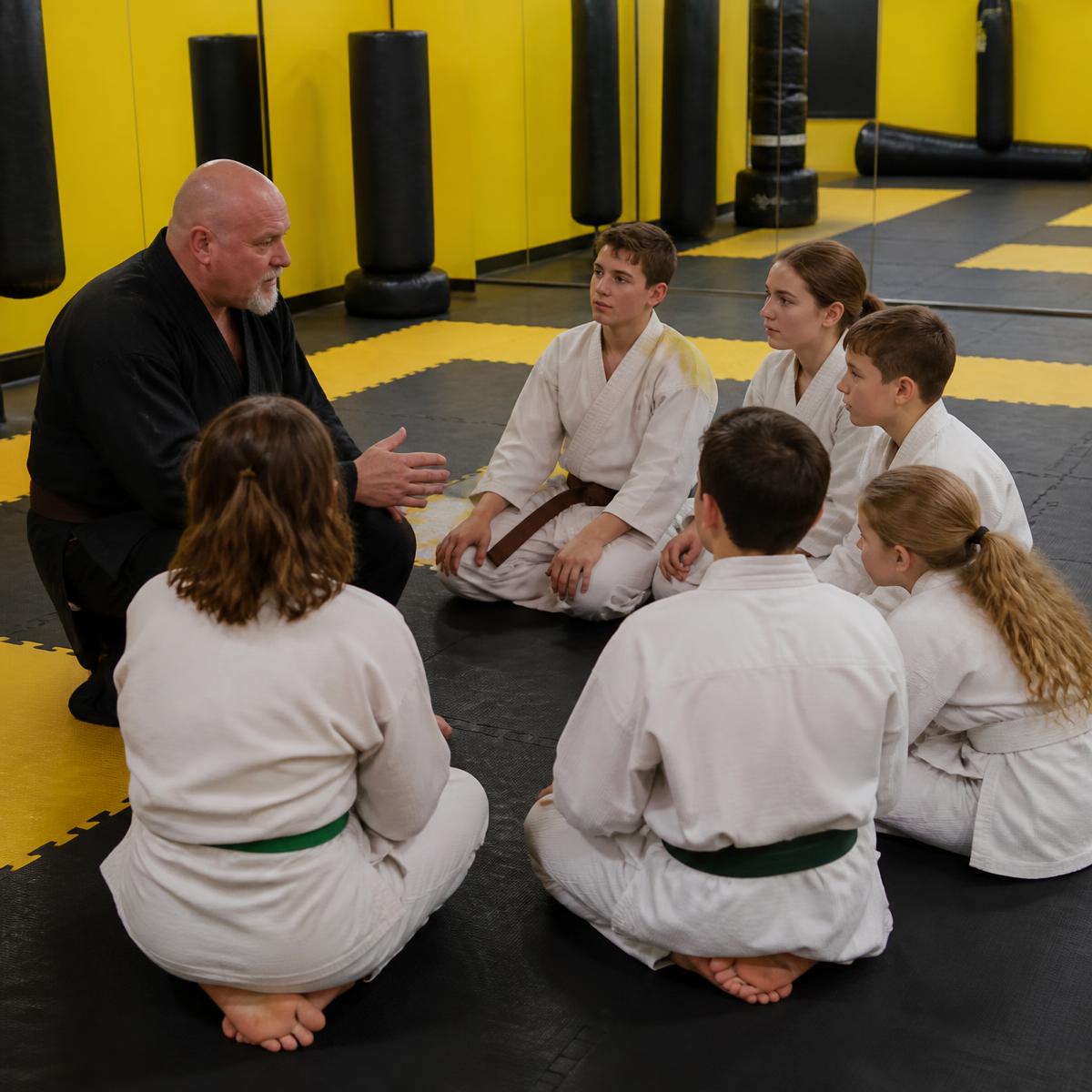
A Standard Worth Meeting
Testing is harder here and it should be. A rank that's difficult to earn is the only kind a teenager respects.
Leadership With Real Stakes
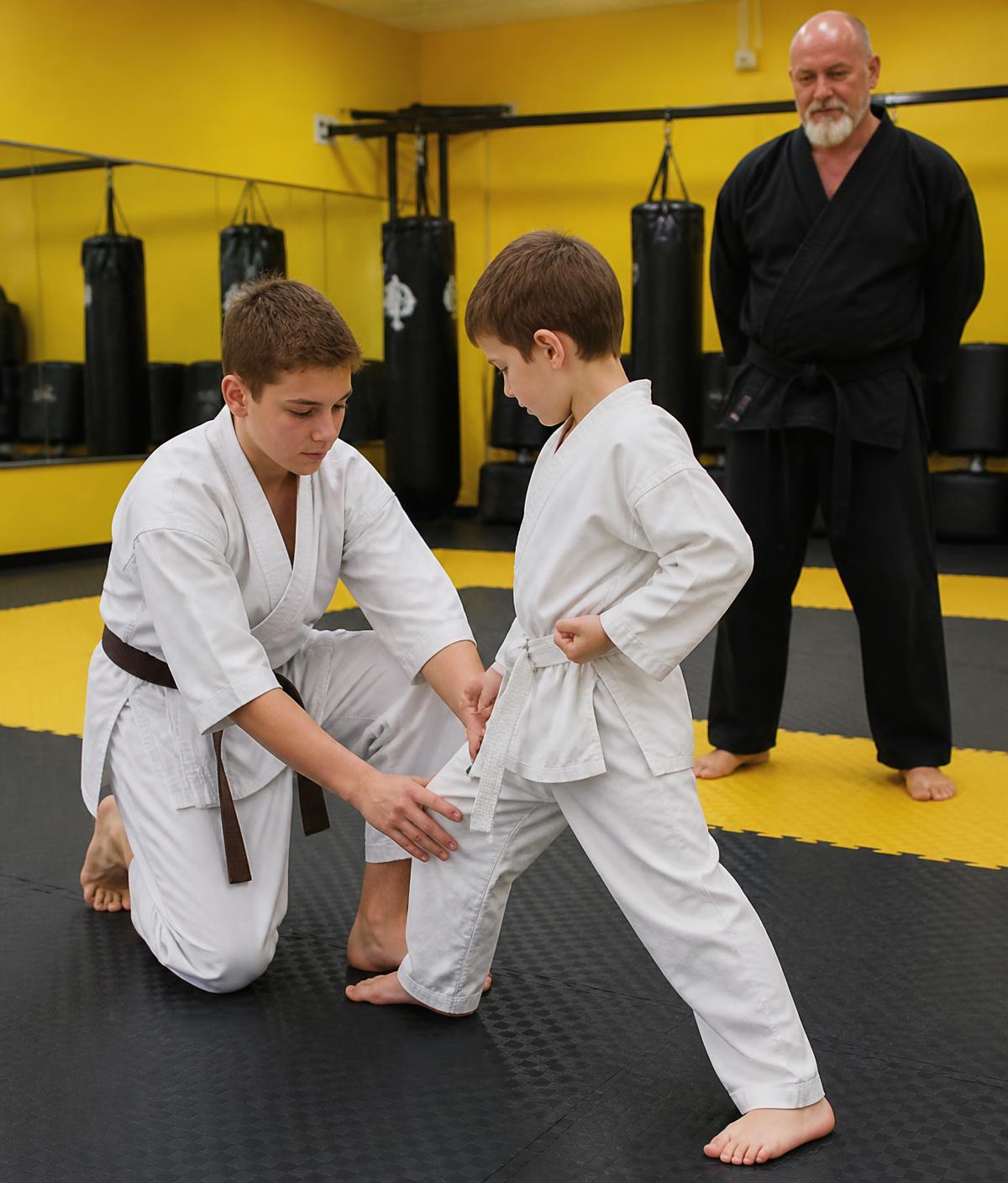
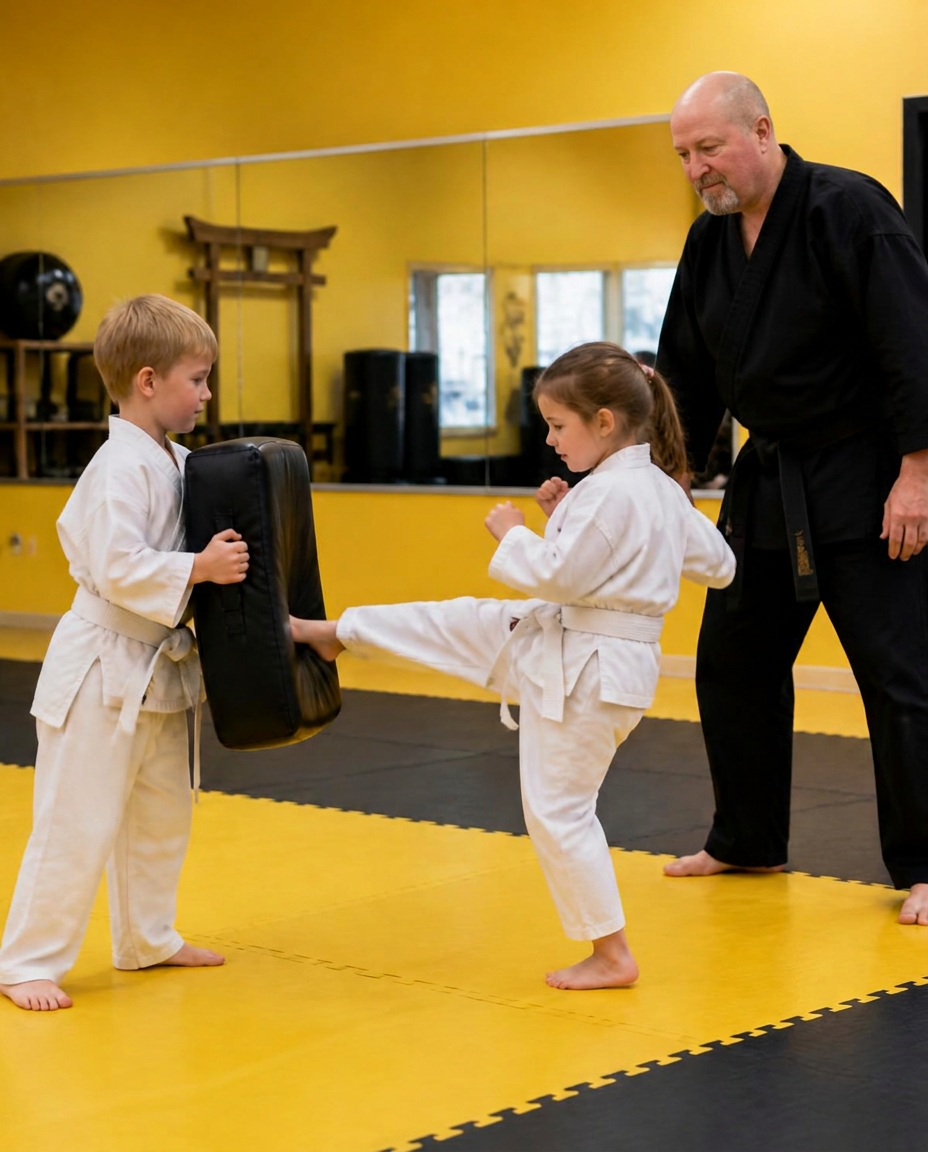
Senior students help lead warm-ups and coach younger kids. Nothing matures a thirteen-year-old faster than being watched by an eight-year-old.
Self-Defense For Their Actual World
Awareness, de-escalation, and getting out — scaled to the situations teenagers really encounter.
A Physical Outlet That Isn't A Screen
Hard conditioning, real sweat, and a room where nobody is on their phone for 45 minutes.
Feedback They Can Take
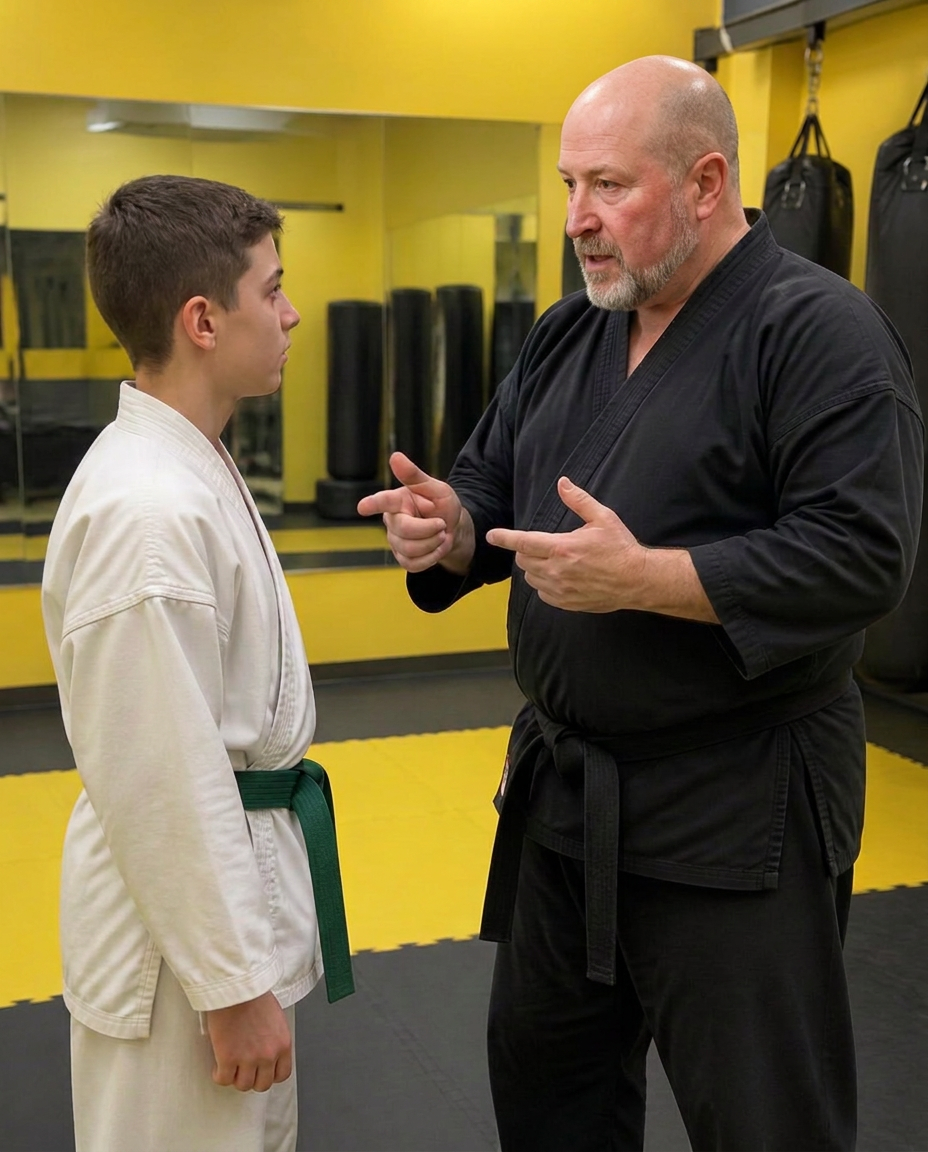
Direct correction, no coddling, no sarcasm. Teens can handle honesty — they just can't handle being talked down to.
A Long Goal
Black belt is finally close enough to be real. Having something years out that's genuinely theirs changes how they plan.
Where ages 10–14 actually are
What we expect. What we're building toward.
No instructor at Pride is surprised by any of this. It is written into the curriculum before your child walks in the door.
Physical
- Normal at this age
- Physically competent and capable of excelling at most challenges put to them.
- What week one looks like
- Coasting. Doing the drill at eighty percent because full effort looks try-hard.
- Our goal
- Full effort as the default, with the technical precision to back it up.
Intellectual
- Normal at this age
- The sharpest students in the school — often smarter than the adults assume.
- What week one looks like
- Boredom and disengagement the moment a drill has no obvious point.
- Our goal
- Understanding the why well enough to coach it to a younger student.
Emotional
- Normal at this age
- Genuine instability — the wiring is being rebuilt in real time.
- What week one looks like
- Motivation that swings week to week for no visible reason.
- Our goal
- Driving themselves through a task regardless of how the week is going.
Social
- Normal at this age
- Acutely focused on what is socially acceptable in front of peers.
- What week one looks like
- Holding back rather than risking looking bad in front of the group.
- Our goal
- Leading the room instead of reading it.
The curriculum
The eight Extreme skills
One per class, in this order. Your child earns a stripe for each. All eight, and they test for their next belt.
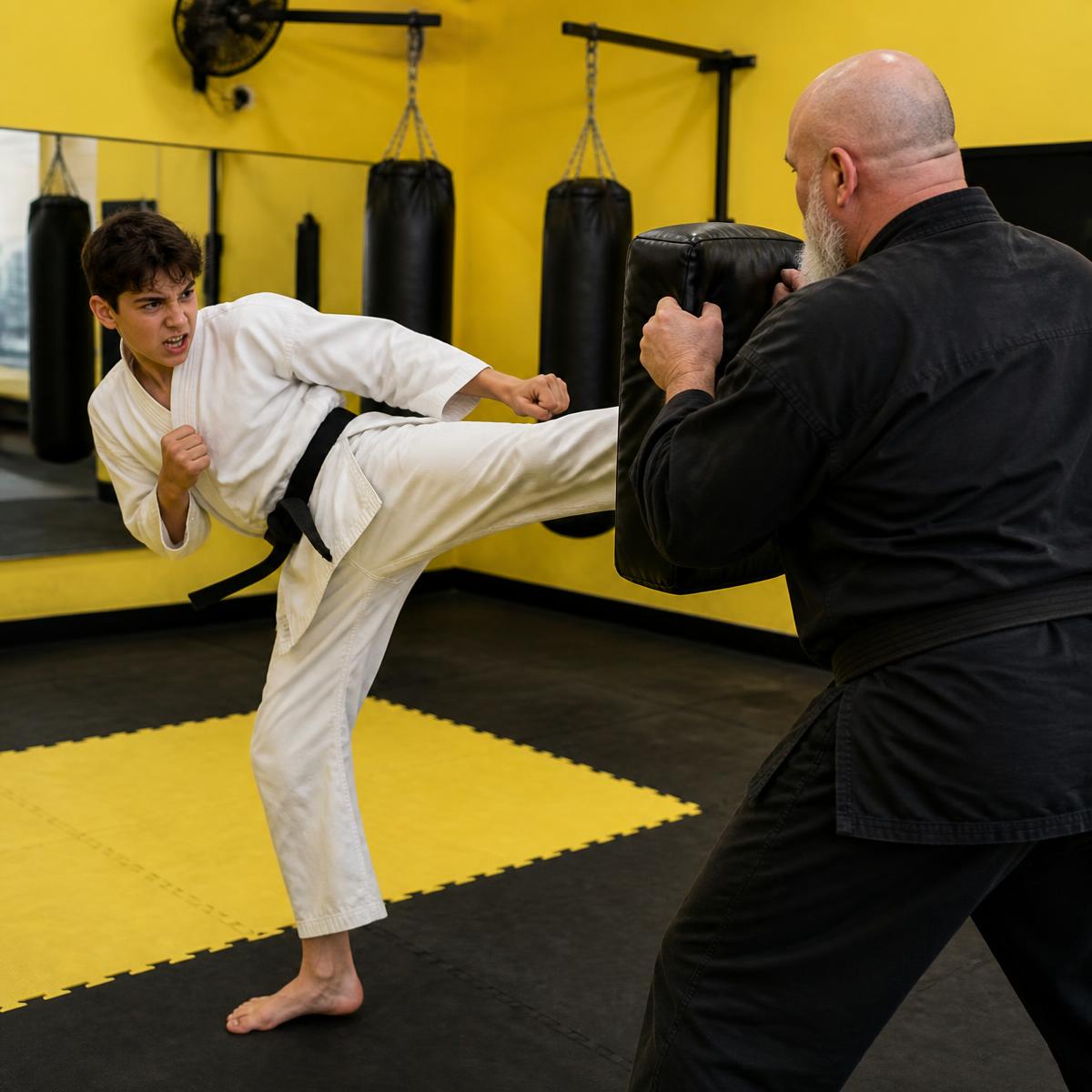
- 01
Dexterity
Fine control at speed — the hands and feet doing precise work under pressure.
- 02
Reaction
Responding correctly to an unannounced stimulus, measured in fractions of a second.
- 03
Versatility
Solving the same problem three different ways when the first two get shut down.
- 04
Momentum
Using bodyweight and motion instead of muscling everything.
- 05
Precision
Hitting the exact target, not the general area.
- 06
Instinct
Correct action before conscious thought — the point where training becomes reflex.
- 07
Strength
Real strength development, programmed for a growing body.
- 08
Vision
Reading what's coming — seeing the whole situation instead of one limb.
What a stripe test looks like
For the reaction stripe, a student responds to a randomized cue with the correct one of four defenses. Wrong defense doesn't count. Right defense too slow doesn't count.
45–60 minutes, four parts
Warm-up
Bodies moving and blood flowing before anything technical is asked of them. Short, loud, and physical on purpose.
Mat chat
Everyone sits down and the instructor explains today's one skill — what it is, where it shows up outside the building, and what earning it will take. Two or three minutes. This is the part most schools skip and it is the part that makes the skill stick.
Skill-building drills
Two or three games engineered so that the only way to win the game is to perform the skill. Kids think they're playing. They are being drilled.
The test
Each student demonstrates the skill individually. Meet the standard and the stripe goes on the belt that day. Miss it and they try again next cycle — nothing is handed out.
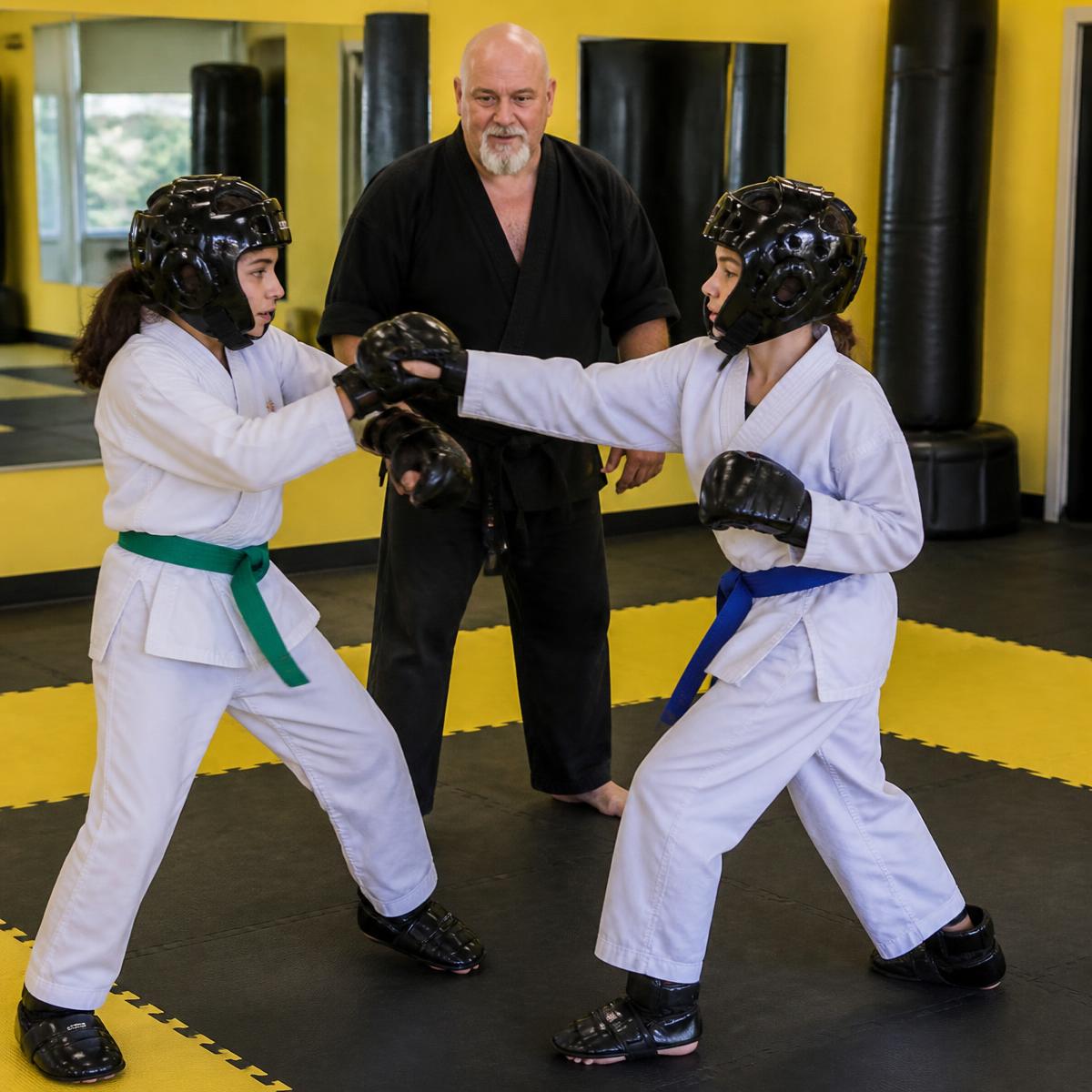
Age 10–14 Only
trained with teens, not parked in a kids class
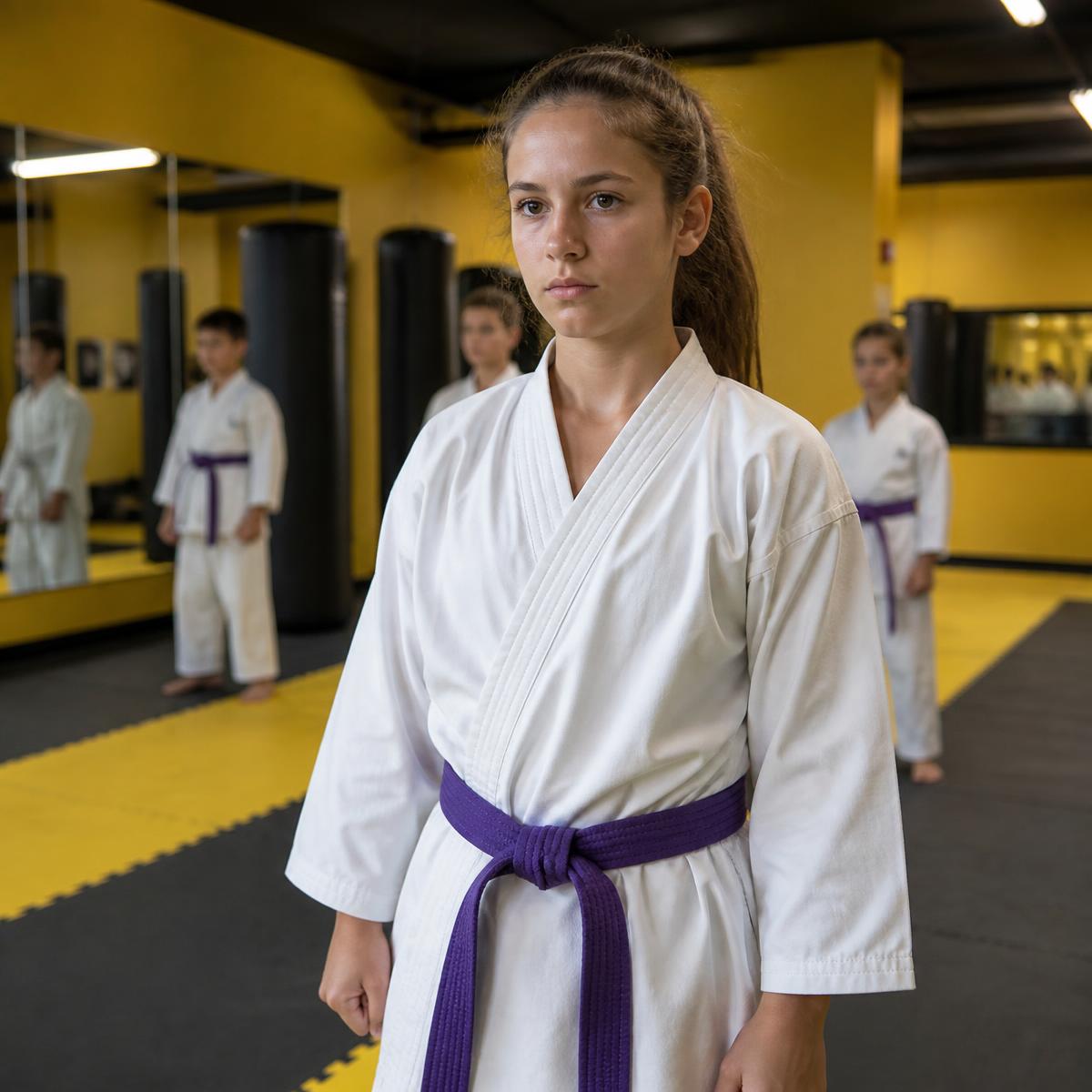
Within the first few weeks
What parents notice first
They ask when the next class is instead of being driven to it
Screen time drops without a fight about it
They take a correction and try again in the same breath
They start coaching a younger sibling, unprompted
The Day They Become The Example.
There is a moment when a teen stops being the student in the room and starts being the one a younger kid copies. It changes how they carry themselves everywhere else.
Being Needed Beats Being Praised
Responsibility does what encouragement can't. Teens rise to a job with real consequences.
Earned, Not Assigned
Leadership roles here are given to students who've met the standard — which is why they mean something.
It Shows Up At Home
Parents notice it in tone of voice before they notice it in anything else.
How the level is built
8
skills per belt, tested against a teen standard
9
belts before the black belt track
45
minutes of phone-free training per class
Finish all nine belts and your child moves onto the black belt track.
The other levels
Give Them Something
Real To Chase.
Intro Special
Uniform included
2 Weeks of Classes
Extreme SKILLZ. Uniform included.
- 2 weeks of Extreme SKILLZ classes
- Uniform included ($69 Value)
- Right-fit check before you commit
- Sit and watch every class
Common questions
Ages 10–14 questions
Give Them Something
Real To Chase.
Two weeks of classes, uniform included. Let them try it against their own age group before anyone decides.