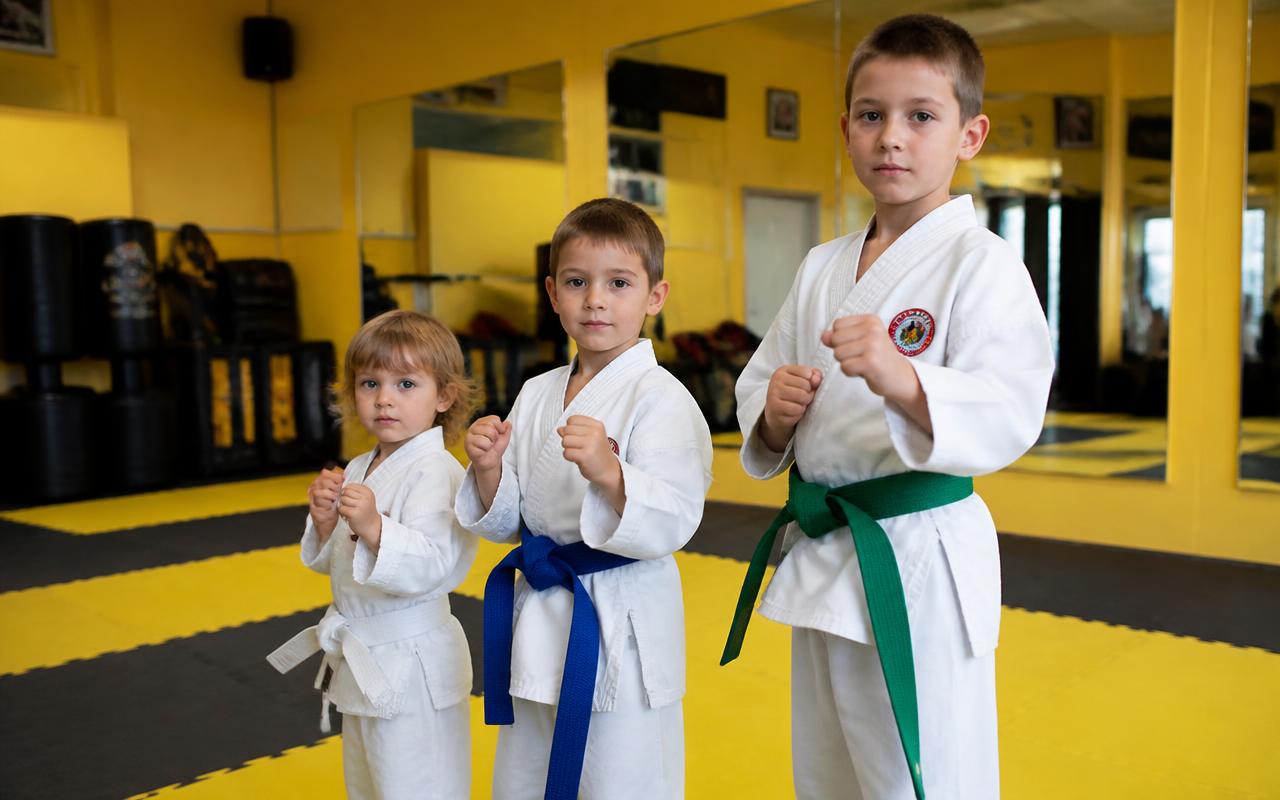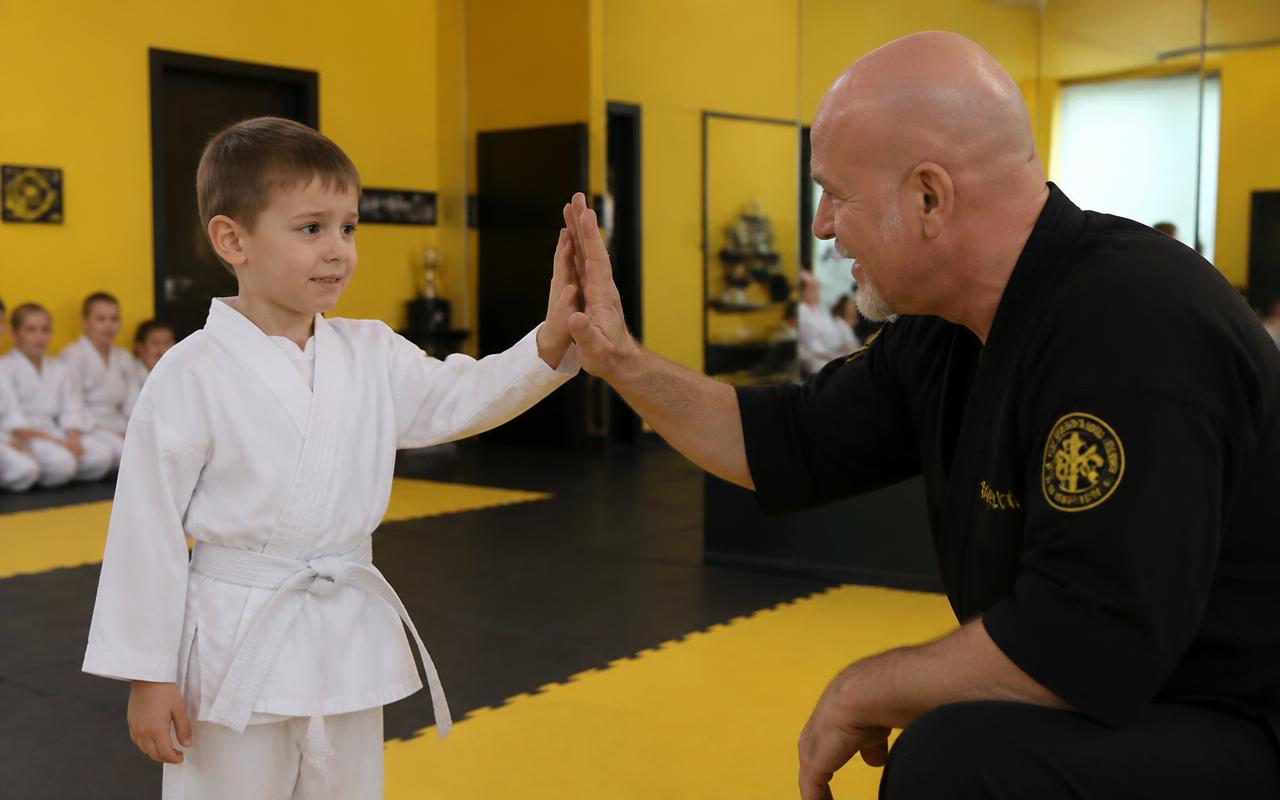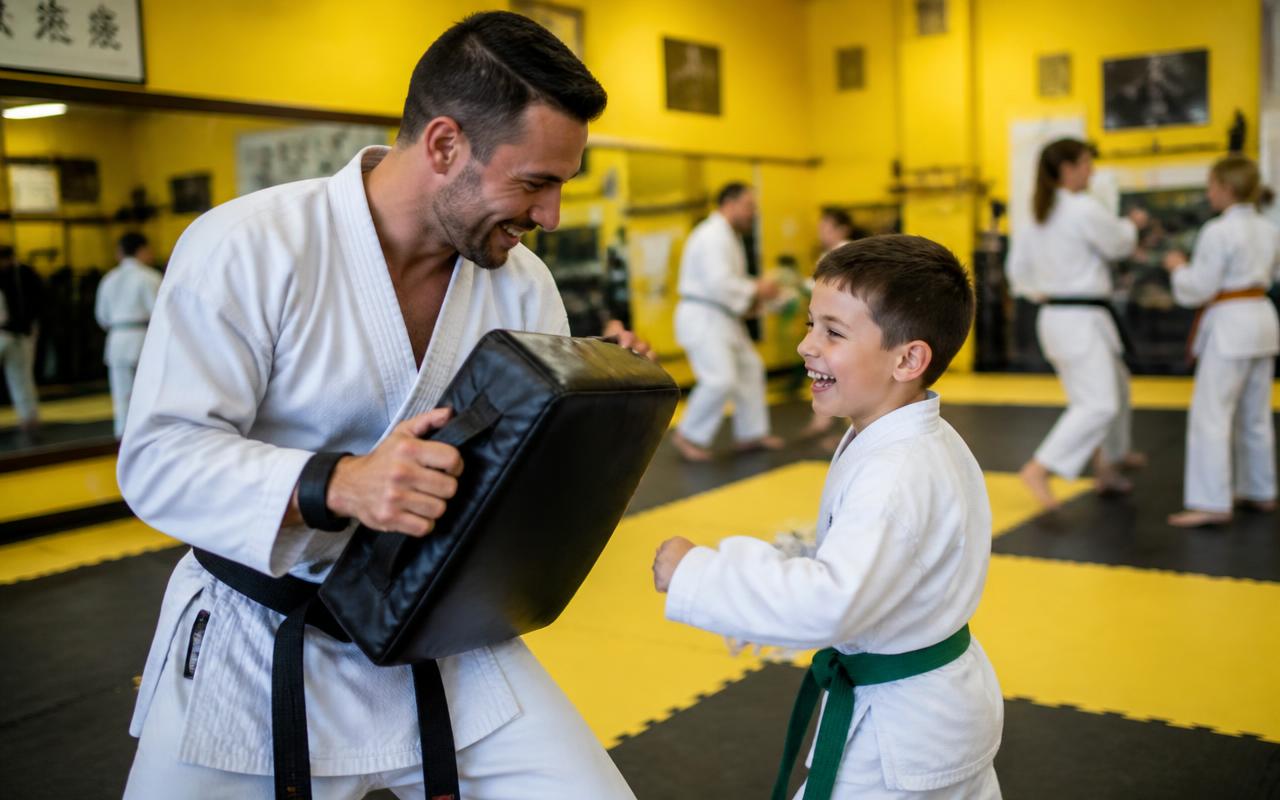
Put a 4-year-old and a 9-year-old in the same class and one of them is being left behind. Usually both.
Development isn't a straight line
A preschooler is still building balance and impulse control. A nine-year-old can memorize a sequence and self-correct. Those are different lessons, not the same lesson at different speeds.
What a mixed-age class quietly does
The instructor teaches to the middle. Younger kids look lost and decide they're bad at it. Older kids coast and get bored. Neither one is being challenged where it counts.
What we do instead
Four separate kids programs — ages 3–4, 5–6, 7–9, and 10–14 — each with its own curriculum, drills, and expectations. Your child learns what their brain and body are actually ready for.
How to tell which one fits
Come watch a class in your child's age band. Within ten minutes you'll see whether the room is pitched at them or past them.
New Student Experience
Ready to See It In Person?
2 Weeks of Classes — $129 $19.99